

Whoa! I opened the explorer to check a token and my first thought was: this is fast. My instinct said the UI was built for people who move quickly. Initially I thought most explorers felt the same, but then I dug deeper and saw differences. Some of those differences matter when money is on the line.
Seriously? There are explorers that hide inner instructions. That bugs me. I’ve been following Solana since the early clusters and I’ve watched token trackers evolve. At first I just skimmed transactions, but over time I learned to read inner instructions and token program calls. Actually, wait—let me rephrase that: I learned to look for subtleties that catch scams.
Here’s the thing. On Solana, a single transaction can carry multiple inner transfers and program calls. If you only look at top-level logs you miss the trickery. My gut feeling about suspicious mints came from spotting odd authority changes deep in inner instructions. Over time that pattern became a reliable red flag for me.
Whoa! The speed difference is real. A slow explorer makes verification painful. On the other hand, a fast one surfaces token info and metadata quickly so you can decide. This matters especially during drops or when an airdrop claim requires memo inspection and timing.
Hmm… I remember a night when a token clone showed all the same names and visuals. It looked legit at first glance. Then I checked the mint address and the token metadata link resolved differently. That moment fixed a rule I still use: always verify mint address, always verify metadata URI hosting. I’m biased, but this rule saved me from a rug pull.
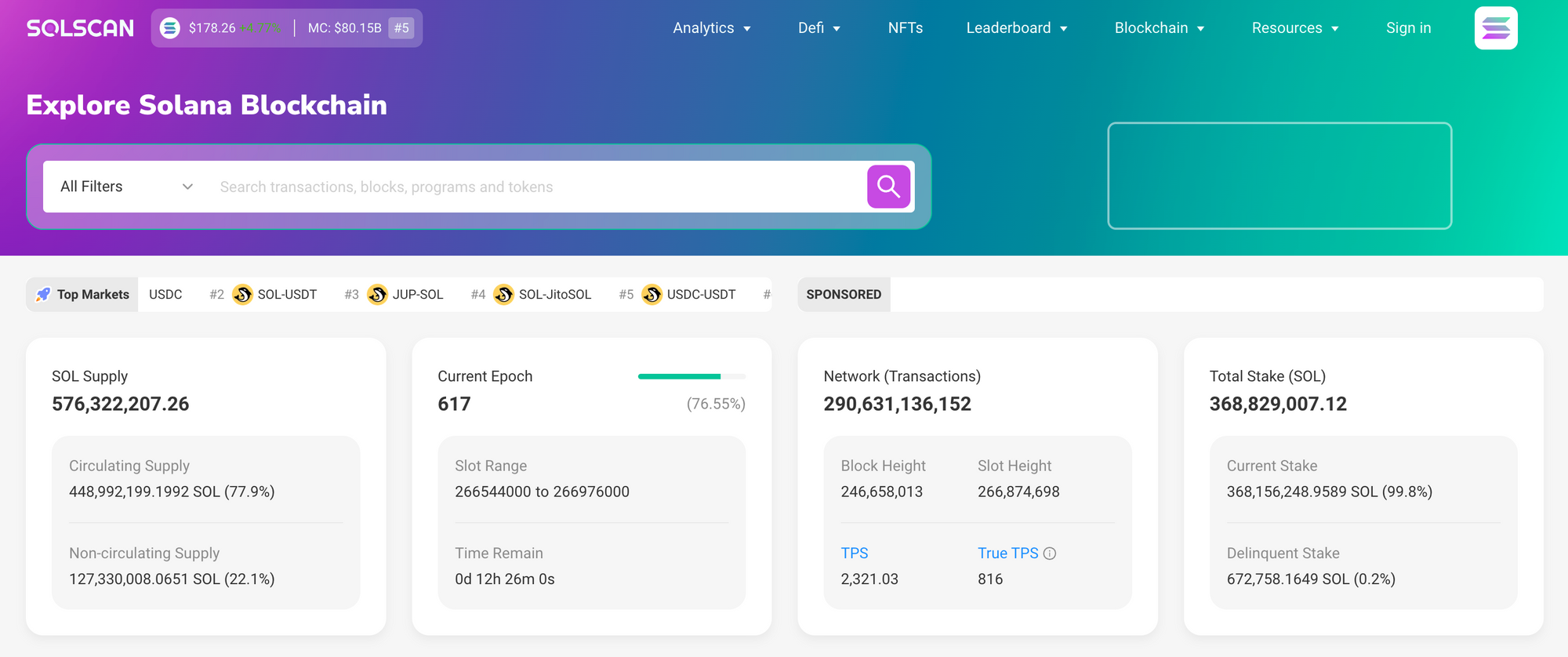
What a good token tracker actually shows
Wow! A quality explorer exposes program instructions, decoded data, and linked accounts. Medium-level details like rent exemptions and account seeds should be visible. Long-form tracing—where you follow an SPL transfer through several inner calls and program invocations—really separates the tools that know Solana from those that only pretend to. If an explorer can’t decode Serum matches or token program inner transfers, you lose context, and context is often the difference between a safe trade and a nightmare.
Okay, so check this out—I’ve used explorers that display token metadata inline and others that force you to open raw JSON. I prefer the inline approach because it reduces mistakes. On top of that, a built-in label directory and verified tag system speeds up heuristic checks. For example, seeing a verified bridge or known swap program tag helps me quickly assess risk.
I’m not 100% sure every tag is perfect, though. Sometimes labels lag. Sometimes projects move domains and the metadata points to broken links. That means manual checks are still necessary, especially for newer mints. But a good explorer makes manual checks way easier by surfacing the right pieces.
Hmm… here’s another thing that stuck with me. Wallet cluster context matters. Relying on mainnet-only views when you should be looking at devnet or testnet can produce false positives. I’ve accidentally chased a token that existed in testnet but not mainnet, and it wasted time. That taught me to check cluster filters before I panic.
Whoa! The transaction decoder often hides the hero details. A decoded instruction showing “InitializeMint” next to suspicious authority changes is louder than any logo. When you can inspect inner instructions, you can see which program signed which instruction and whether PDAs were used. That helps when smart contracts try to mask approval flows.
Initially I thought on-chain addresses alone were enough, but then realized annotated address books matter a lot. If you see a wallet frequently interacting with known bridge contracts, that informs your risk model. On one hand addresses are neutral strings; on the other hand relational patterns reveal behavior. Though actually, labels can be gamed if a project isn’t careful.
Seriously? Token metadata can be off-chain and mutable. That part still worries me a lot. You need to verify the storage provider—Arweave, IPFS, or a central server—and check immutability settings. If metadata is mutable, then visuals and names can be changed post-listing, which is exactly how some clones operate. So, check provenance.
Here’s what bugs me about some explorers: they don’t make provenance easy to verify. They show an image and a name, but not the URI signature or the chain of custody. A better explorer surfaces the metadata origin and the transaction that minted the metadata account. That gives you a forensic trail to follow, which is invaluable during incidents.
Whoa! I want to emphasize practical steps. First, copy the mint address. Second, paste it into the explorer and inspect the mint account. Third, check the metadata account linked to that mint and examine the URI. Fourth, verify who minted it by looking at the initial Create and MintTo instructions. Fifth, review approvals and whether a program has delegated authority. These steps sound simple but catch many traps.
Hmm… also, pay attention to inner programs. Some thefts happen via malicious CPI calls that pass tokens through intermediary programs. My instinct said that seeing a swap or transfer through an unexpected program was suspicious. As it turns out, tracking inner-program flows prevented me from interacting with a compromised DEX wrapper.
I’ll be honest: I use solscan most days when I need a quick forensic read. The interface balances decoded details with speed, and the verified labels are usually helpful. If you prefer another tool, that’s fine—different tools surface different signals. But for my workflow, that balance matters. Check it out if you want a solid daily driver: solscan.
Something felt off the first time I relied solely on superficial metrics. Transaction count alone isn’t trust. Token holders concentration matters, but it can be manipulated by bots or cascade buys. You need to look at holder distribution over time, not just raw counts; patterns like sudden clustering around a few wallets often predict trouble.
Whoa! Another practical tip: use the “related transactions” or “token history” view to see how a token traveled. If you see identical transfer amounts bouncing through multiple accounts, it’s a warning. Verbose explorers that show those chains help you detect wash trading and fake liquidity. I find these patterns visually obvious once your eyes are trained.
Initially I thought I could rely on on-chain signatures alone, but then I realized off-chain signals matter too. Social proofs, website DNS statuses, and multisig governance records all play roles. On one hand the chain is the source of truth; on the other hand off-chain context explains intent. Both are needed for a full risk assessment.
Wow, tiny conveniences save time. Copy-to-clipboard for addresses, QR generation, and a quick “open in wallet” button cut friction. It sounds trivial, but when you’re juggling many checks during a drop, small UX features prevent mistakes. Though sometimes a flashy UI distracts from core forensic data—balance, balance.
Seriously? Privacy concerns are real. Every explorer that indexes wallet interactions contributes to a public trace. If you prefer privacy, use throwaway wallets or relays, and understand that explorers create longitudinal profiles. That said, explorers also enable investigations that protect funds and help trace thefts, so there’s a trade-off.
Here’s the thing about labels and crowdsourced flags: they’re useful but imperfect. Community moderation helps, yet bad actors sometimes manipulate perception. My rule: treat labels as signals, not guarantees. Combine them with direct on-chain inspection and off-chain context for decisions.
Common questions
How do I verify a token is legit?
Start with the mint address and metadata account; confirm the URI hosting and whether the metadata is immutable. Check the initial mint transaction for the minter address and look for known program interactions. Use holder distribution and transaction history to detect wash patterns. Combine on-chain evidence with off-chain info like project domains and social accounts.
What red flags should I watch for?
Watch for mutable metadata, sudden holder concentration, identical transfers across many accounts, suspicious CPI chains, and unknown programs unexpectedly gaining authority. Also be wary of tokens that replicate names and visuals but have different mint addresses—those are classic clones.
Can explorers prevent scams?
Explorers don’t prevent scams, but they empower you to detect them earlier. The right explorer makes forensic signals visible, reducing reaction time and improving decision-making. Still, no tool replaces careful attention and a bit of skepticism.
Okay, so to close—well, not exactly close, but to circle back—my take is practical and a little cautious. I like tools that favor transparency over prettiness. I’m biased, but when an explorer shows inner instructions, decoded events, and clear metadata provenance, I trust it more. Something about seeing the whole trail just calms me down.
Wow! The final thought: explorers are mirrors of the chain. They can be polished or foggy, and your job is to pick the clearest mirror for the questions you ask. Keep learning, stay skeptical, and let your tooling support your instinct—because instinct without data is just a hunch, and data without instinct is… somethin’ missing.